
Parable of the Wheat and Weeds, 16th Sunday of Ordinary Time, July 19, 2026
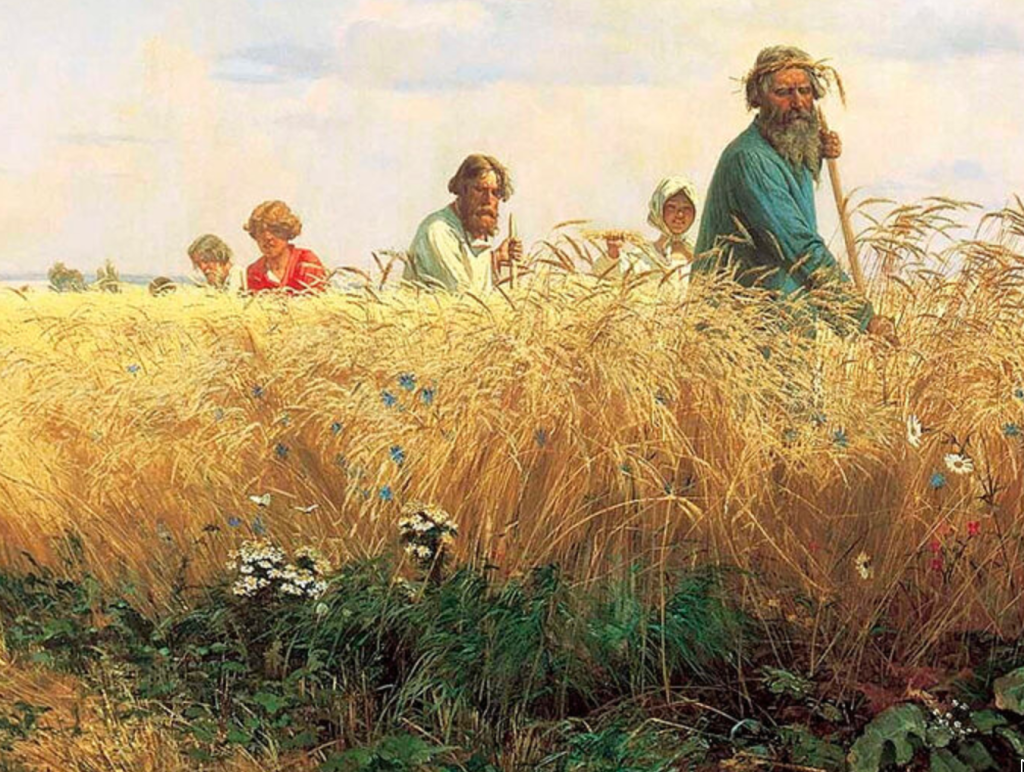
Gospel: Matthew 13: 24-30
24 Jesus presented another parable to them, saying, “The kingdom of heaven [a]is like a man who sowed good seed in his field. 25 But while his men were sleeping, his enemy came and sowed [b]weeds among the wheat, and left. 26 And when the [c]wheat sprouted and produced grain, then the weeds also became evident. 27 And the slaves of the landowner came and said to him, ‘Sir, did you not sow good seed in your field? [d]How then does it have weeds?’ 28 And he said to them, ‘[e]An enemy has done this!’ The slaves *said to him, ‘Do you want us, then, to go and gather them up?’ 29 But he *said, ‘No; while you are gathering up the weeds, you may uproot the wheat with them. 30 Allow both to grow together until the harvest; and at the time of the harvest I will say to the reapers, “First gather up the weeds and bind them in bundles to burn them; but gather the wheat into my barn.”
Gospel Commentary:
To understand this parable, we must look at first-century Palestinian agriculture. Jesus describes a farmer whose enemy sneaks into his field at night to sow weeds among his wheat.
The weed used was almost certainly darnel (Lolium temulentum), commonly known as “false wheat.”
The Core Dynamics
- The Deception (vv. 24-26): In their early stages, wheat and darnel look identical. The difference only becomes visible at maturity: wheat heads grow heavy and golden, while darnel turns a dark, slate-gray.
- The Intertwined Roots (vv. 27-29): The servants want to pull the weeds immediately, but the Master refuses. Because the roots of both plants intertwine tightly in the soil, ripping out the weeds early would inevitably destroy the good wheat.
- The Final Separation (v. 30): Judgment is delayed until the harvest, when the plants are fully grown and easily distinguished.
The Theological Meaning
Jesus later explains (Matt 13:36-43) that the field is the world, where the children of the Kingdom and those of the evil one coexist. The core message is patience and divine justice. It is not the disciples’ job to purge the world or the Church of the “unworthy.” Judgment belongs solely to God at the end of the age.
Application to Everyday Life
1. Practicing Patience with Imperfection
We live in a culture quick to cancel and categorize people. This parable challenges us to sit with the discomfort of coexistence—tolerating the presence of brokenness around us without losing our own identity as “good seed.”
2. Guarding Against Spiritual Pride
Because wheat and darnel look identical early on, we are warned against policing others. We cannot see into human hearts. What looks like a weed today may transform through grace, and what looks like wheat might be empty filler. Focus on your own root system.
3. Trusting God’s Timeline
When confronted by injustice or hypocrisy, we often wonder why God doesn’t “clean house.” The parable assures us that God isn’t blind; He delays out of mercy for the wheat, ensuring no good soul is accidentally destroyed by premature judgment.
Reflection Questions
Personal Reflection
Look at the “field” of your own life. What inner weeds (bitterness, compromise, or toxic habits) have grown alongside your good intentions? How can you trust God’s grace to sort through your heart, rather than falling into harsh self-judgment?
BEC (Basic Ecclesial Community) Reflection
When we encounter divisive people or situations in our neighborhood, how can our BEC resist the temptation to “pull up the weeds” through gossip or exclusion? How do we ensure our community remains a safe space where the wheat can grow strong despite surrounding challenges?


Leave a Reply